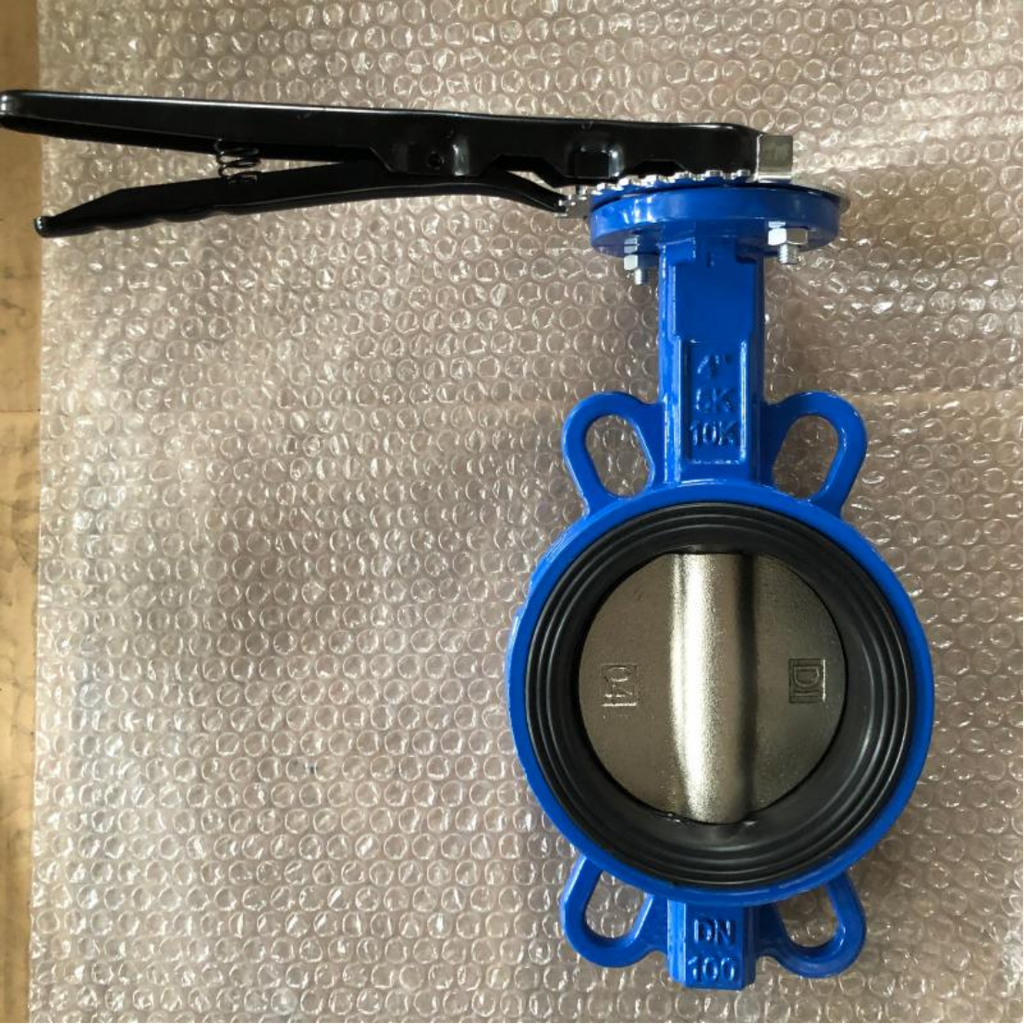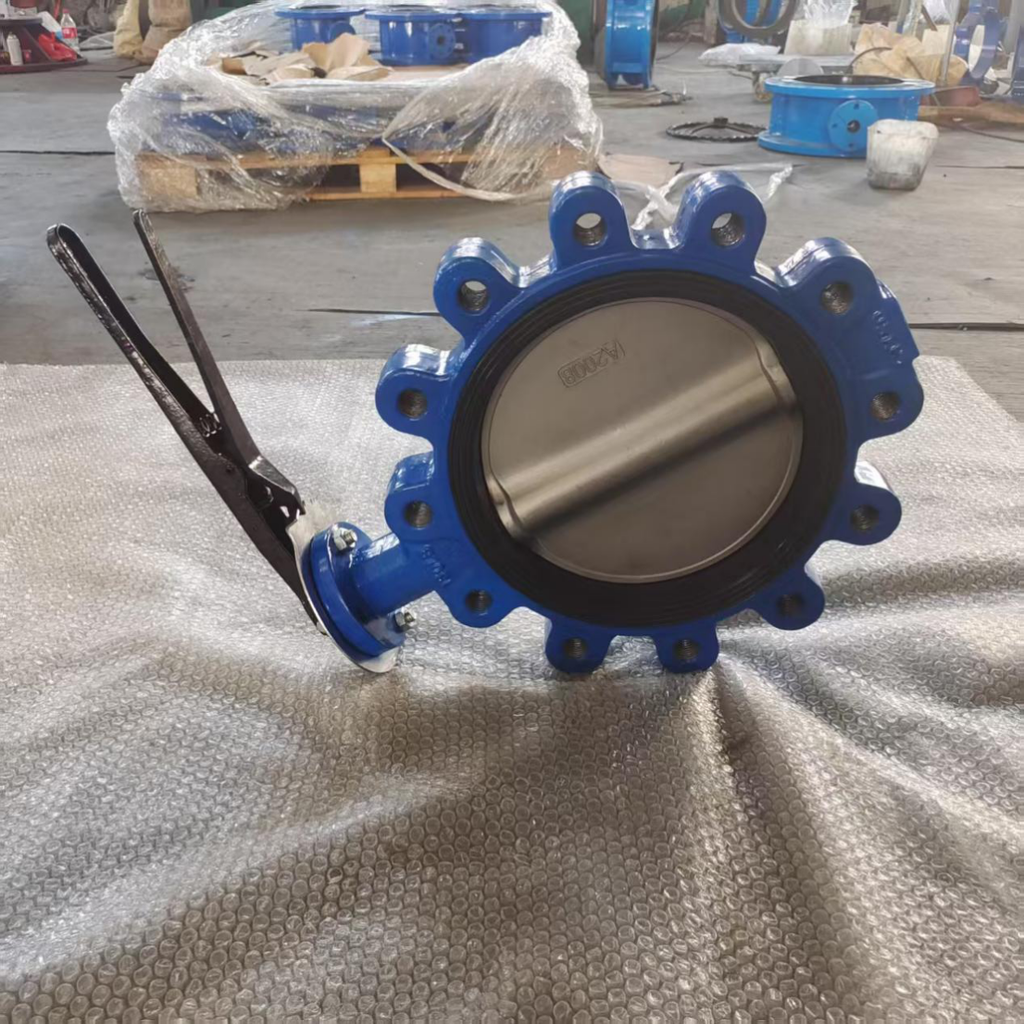
Butterfly valve pressure testing is an essential step in factory quality control. It helps to verify the pressure resistance, sealing performance and overall quality of the valve before delivery.?
Pressure testing helps identify potential defects, reduce the risk of leakage, and ensure that butterfly valves comply with the required specifications. It is especially important for water supply, sewage treatment, HVAC and industrial piping applications.
Shell test and sealing test
Shell pressure test Check the integrity of the valve body and pressure retaining parts under the specified test conditions.
The seal test checks that the closed disc and seat meet the required leak acceptance criteria. These two tests are for different purposes and may be required prior to shipment.
How do I test butterfly valves?
Typical procedures include validating specifications, preparing test equipment, performing required pressure tests, checking results, and recording test data. Any non-conforming valve must be evaluated and retested as required prior to acceptance.
The tests shall be carried out in accordance with applicable standards such as EN 12266-1, API 598 or ISO 5208, depending on the valve design and procurement requirements.
How to ensure quality?
A reliable butterfly valve manufacturer combines pressure testing with dimensional, operational, and final inspections. These procedures help improve product consistency and reduce the risk of problems after installation.
Conclusion:
Pressure testing is essential to verify butterfly valve quality prior to delivery. Selection of a manufacturer with proven test procedures and documented inspection results will help ensure reliable valve performance.