
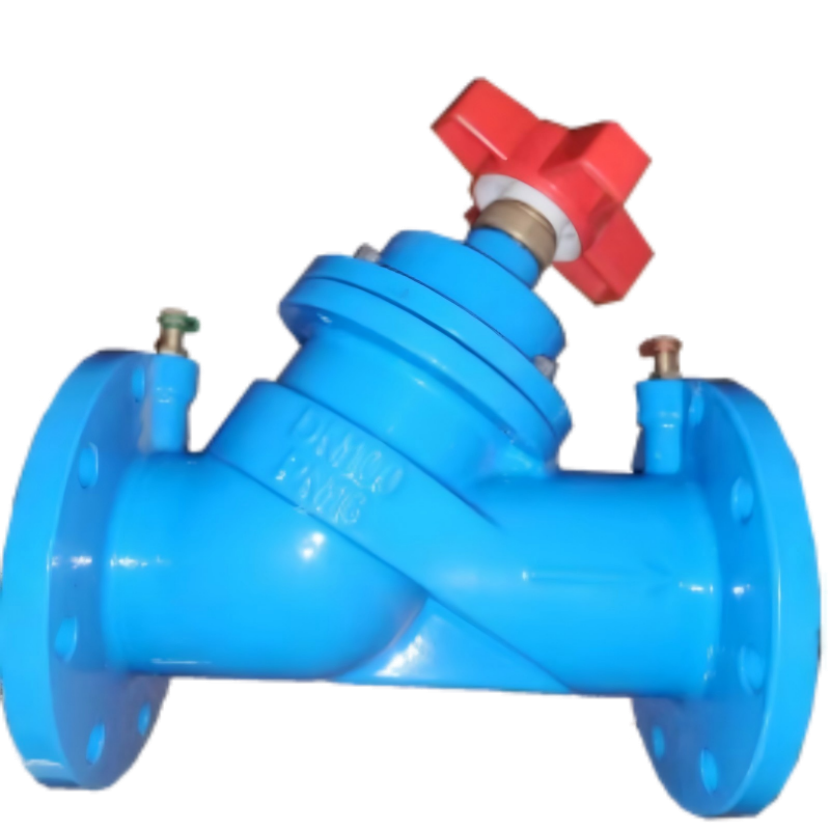
Static balance valve, also known as manual balance valve or digital locking balance valve,
Regulation principle: By manually adjusting the valve’s opening, the flow resistance of the valve is altered accordingly to regulate the flow rate. In essence, a manual balancing valve serves as a resistance component whose local resistance can be manually adjusted. It can only increase the resistance of the pipeline or system, but cannot reduce it.
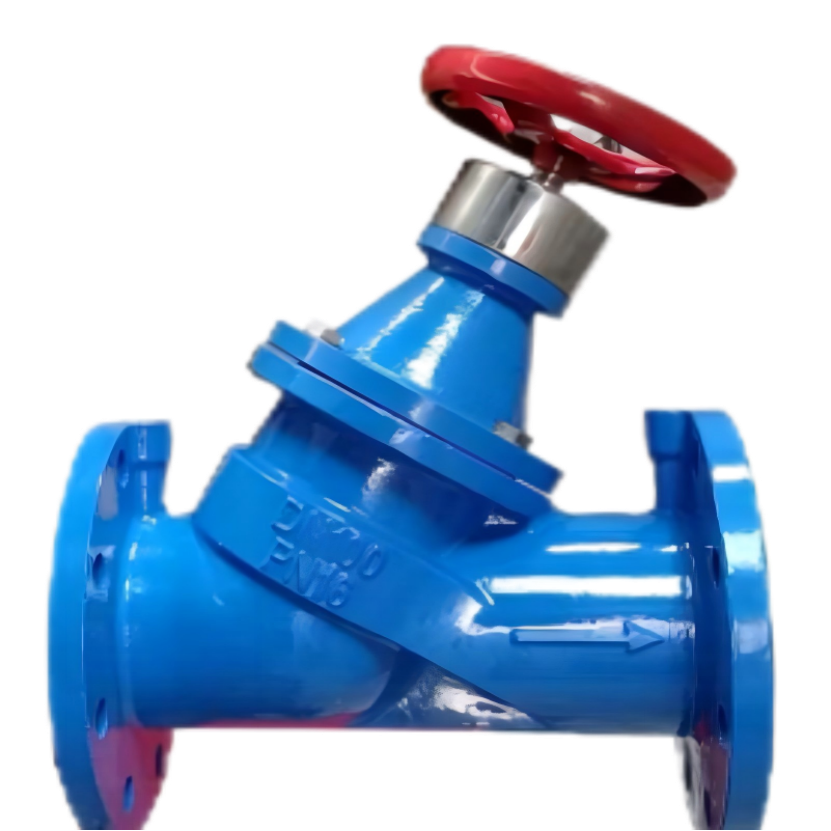
The structure of the balance valve includes a valve body with a Venturi flow cross-section, a valve plug and valve stem, a control knob with a digital scale, and a pressure tap for measuring the pressure difference before and after the valve。
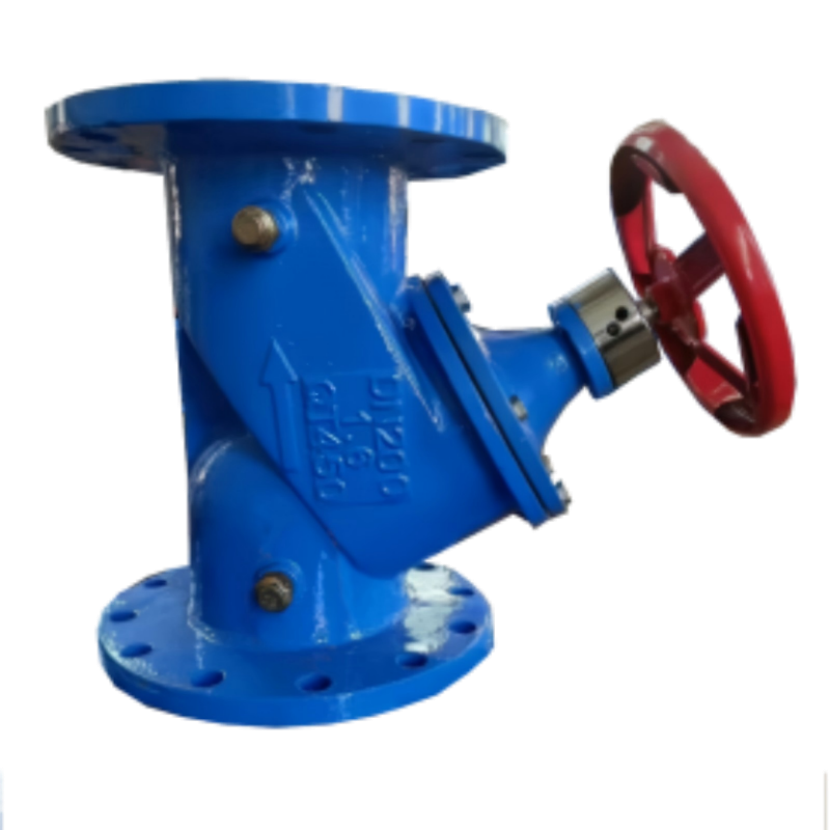
Static balancing valves are typically installed in the return water piping, utilizing a multi-level adjustment approach, where static balancing valves are installed on the main pipe, branch pipes, and sub-branch pipes. When the control knob is rotated to reduce the valve opening, the flow through the balancing valve decreases. Conversely, when the valve opening is increased, the flow through the valve increases. By adjusting the balancing valve to ensure that the water flow in each branch reaches the design flow rate, the opening of each balancing valve is fixed. If the total water flow in the system remains unchanged, the system remains in a balanced state. This is the working principle of static balancing valves.