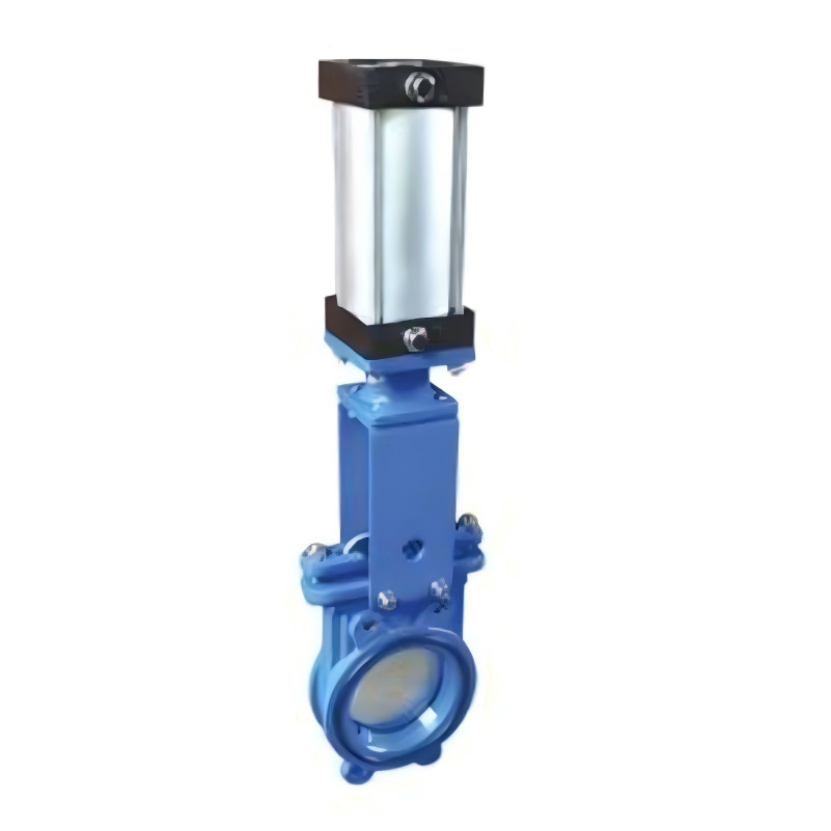
Electric Knife Gate ValvesProduct Overview and Operating Instructions: The actuator section of this product utilizes a multi-turn electric device to drive and control the opening and closing of the valve. (The electric actuator requires connection to a separate control box for operation.) Operators can control the valve remotely from a control room, operate it manually at the site, or integrate it with a computer system for automated control. Wiring for the electric actuator must strictly adhere to the instructions provided in the wiring diagram manual to prevent accidents caused by incorrect connections.
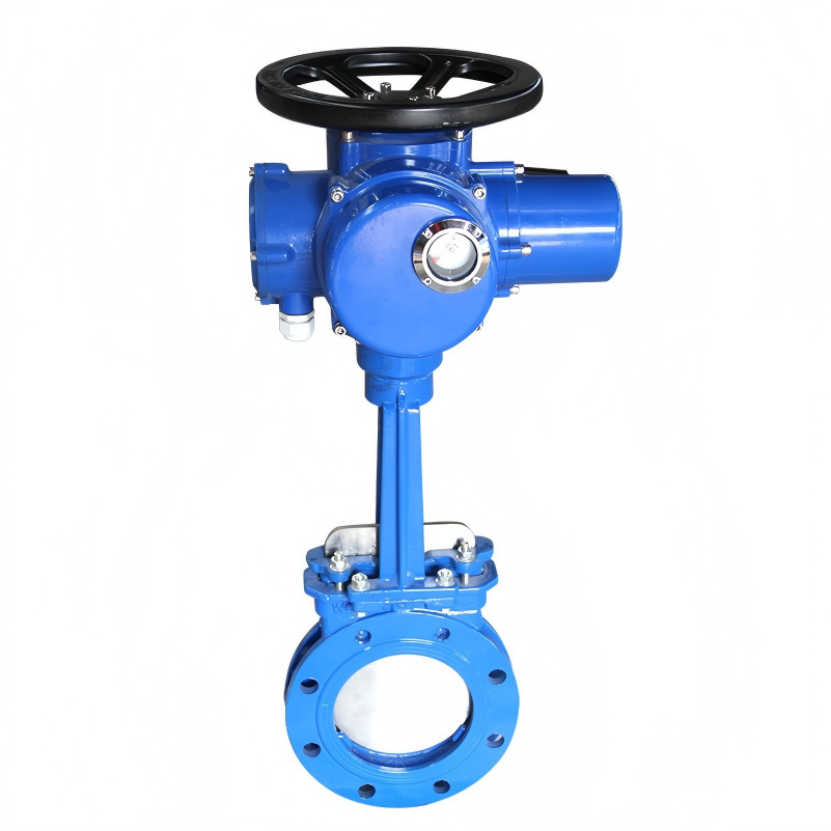
Electro-Hydraulic Knife Gate Valves
Product Overview and Operating InstructionsThis product controls the opening and closing of the valve through the reciprocating thrust action of an electro-hydraulic linkage mechanism. When equipped with sensors or digital display devices, it enables remote control, centralized control (suitable for high-altitude or hazardous environments), or programmable control.
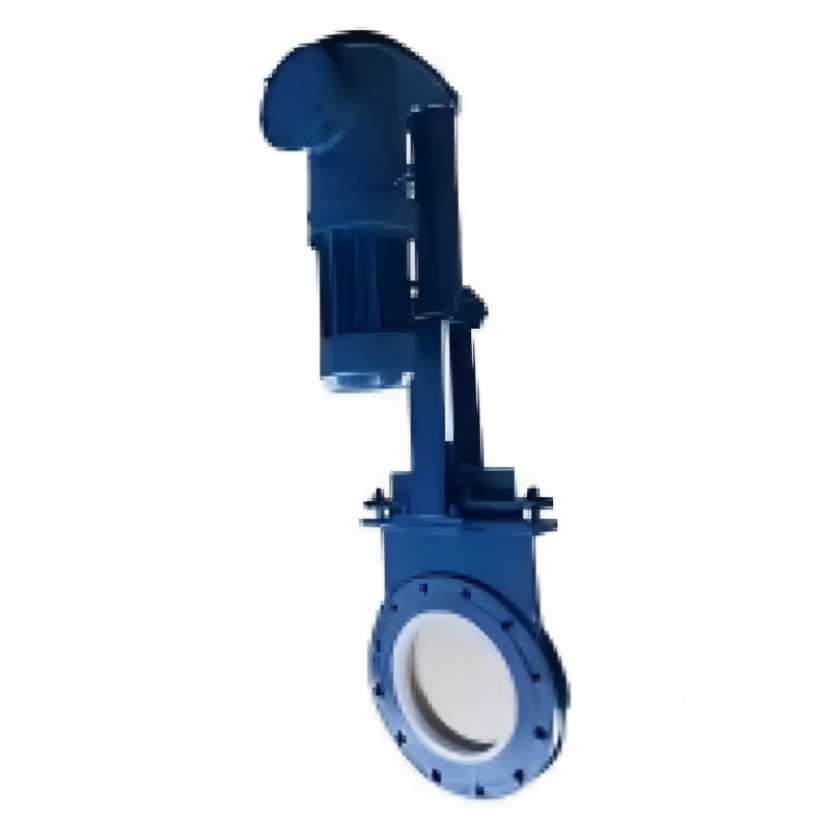
Bevel Gear Knife Gate Valves
Product Overview and Operating InstructionsThis product features a bevel gear drive mechanism, offering easy and flexible operation. It is commonly used for manual operation in applications involving larger pipe diameters or higher pressure conditions. Rotating the handwheel clockwise opens the valve, while rotating it counter-clockwise closes the valve.
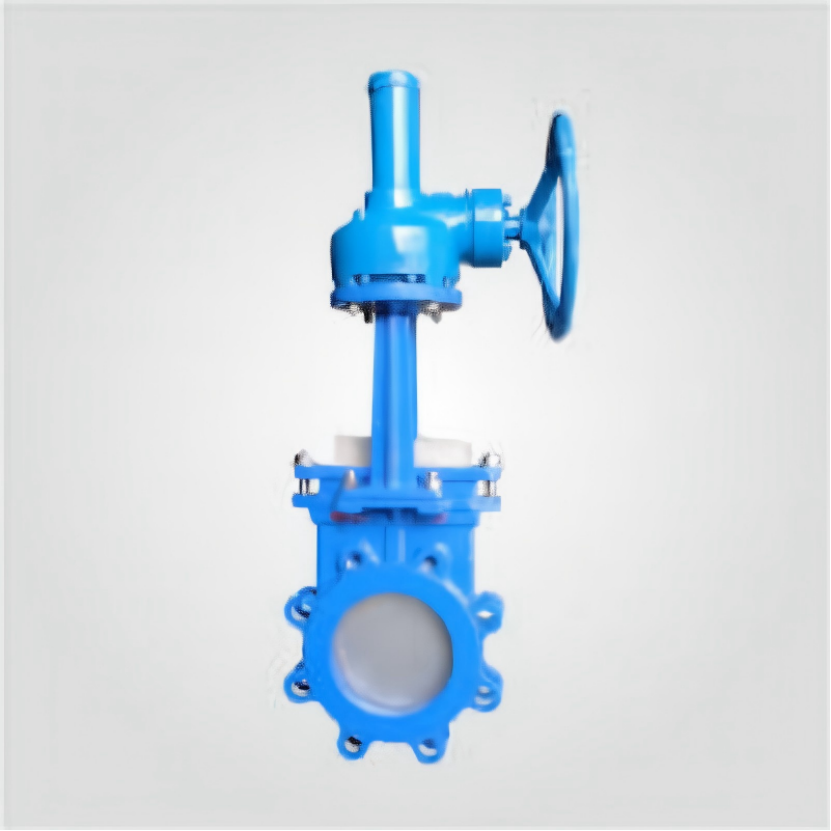
Pneumatic Knife Gate Valve
Product Overview and Operating InstructionsThe Pneumatic Knife Gate Valve is a relatively complex automated control instrument, comprising various pneumatic components and a valve body. It is primarily utilized in applications requiring rapid shut-off or opening (operating conditions require a pneumatic supply pressure of 4 MPa). Double-Acting Cylinder: Provides two-position control for the opening and closing of the gate. Single-Acting Cylinder: Automatically opens or closes the gate in the event of an electrical or pneumatic supply interruption or system failure (i.e., normally closed or normally open configuration). The lower air inlet on the cylinder (located near the valve body) controls the opening of the valve, while the upper air inlet controls the closing of the valve.