
The safety valve should be manually vented regularly to prevent the valve core from sticking. The operation should be slow in lifting and quick in releasing.
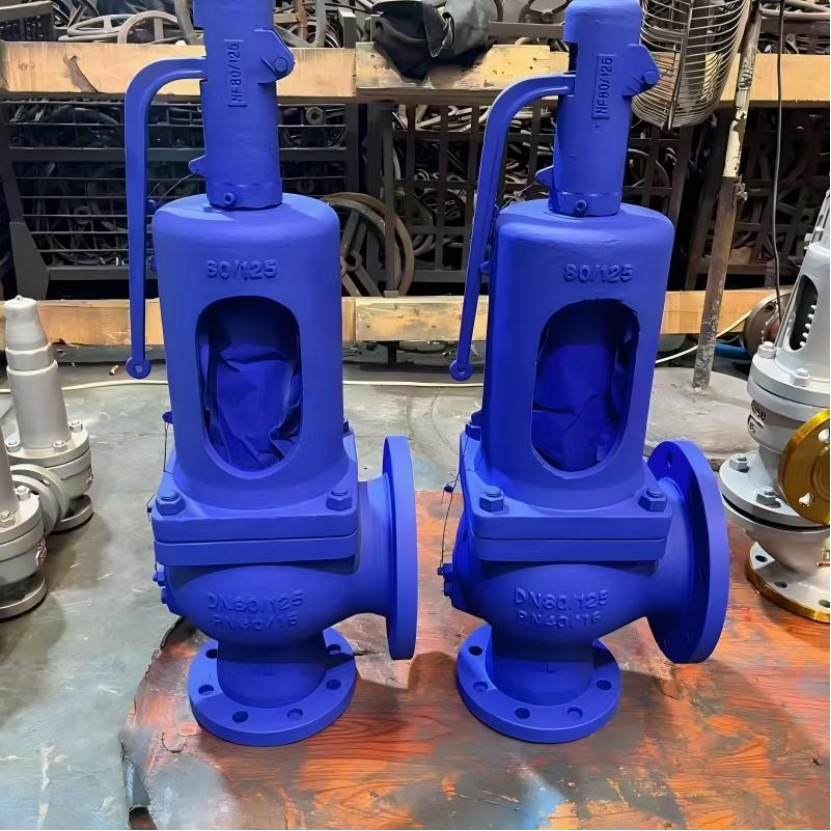
Safety valves are typically installed vertically in gas-phase pipelines, with the inlet being short and straight, and the diameter larger than the cross-sectional area. Generally, the outlet pipe for the valve, through which the gas is released, should be larger than the inlet pipe. If the outlet pipe is smaller than the inlet pipe, it may cause pressure buildup, and the discharge capacity may not meet the requirements. Typically, no valve is installed between the safety valve and the container.
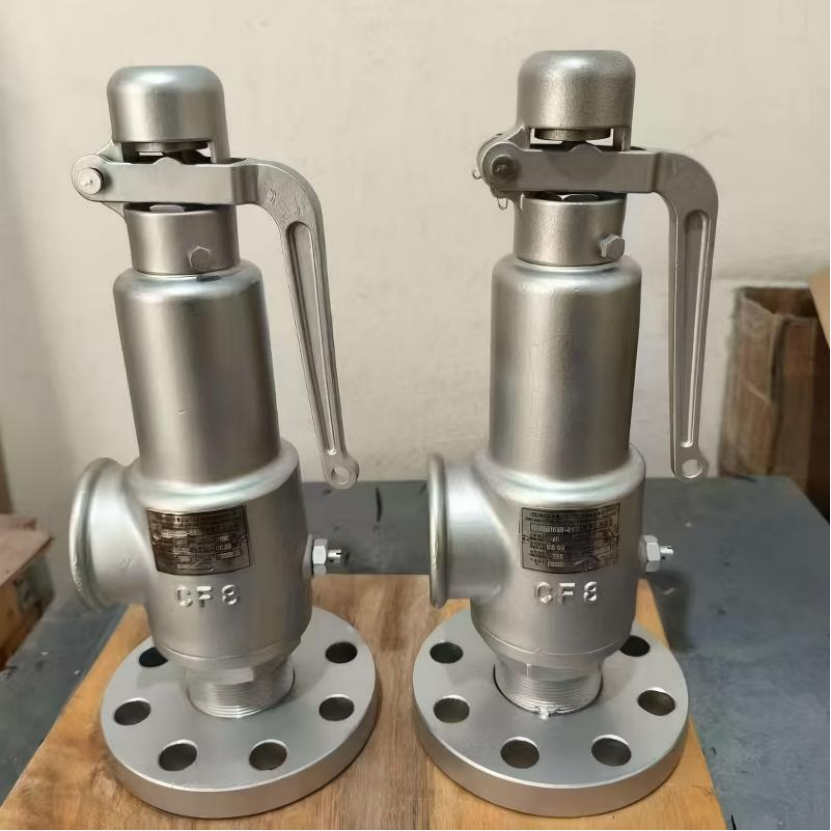
However, for maintenance and repair purposes, including replacing the safety valve, a valve may be installed. But this installed valve should normally be kept open and sealed with lead. Safety valves are usually installed in pairs, one in operation and one as a backup, to prevent overpressure in the container in case one fails.Press the valve plate back and the valve will automatically close.
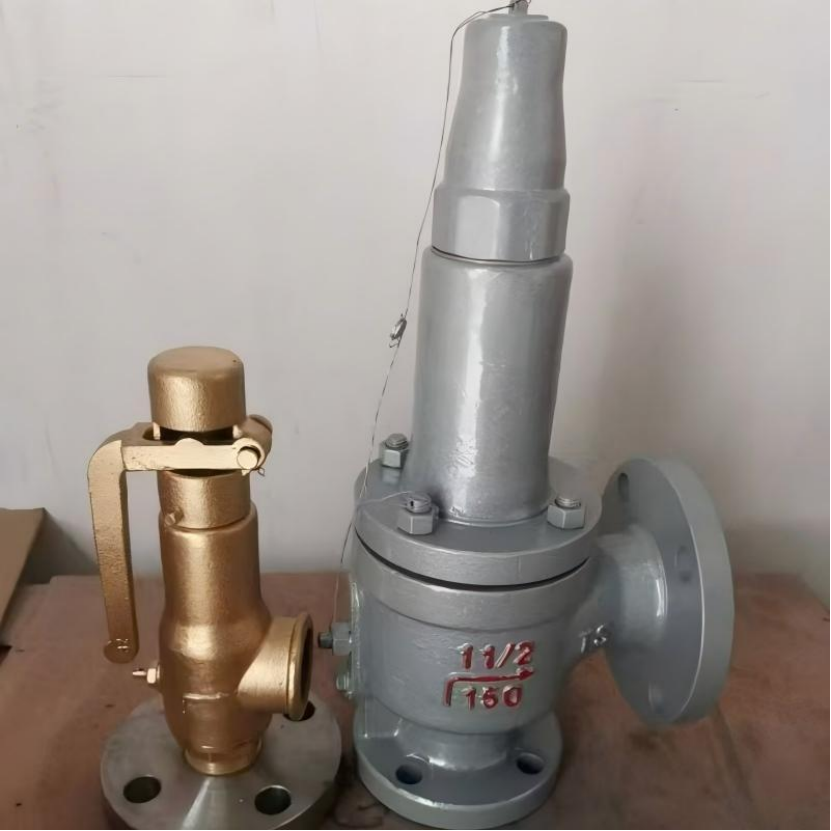
A common mistake made on-site is that the safety valve is constantly open, resulting in significant pressure loss due to release. It is better to tighten the spring a bit. This is extremely dangerous. The opening pressure of the safety valve is calculated based on the design pressure of the equipment. If it is adjusted without authorization, the safety valve may fail to open when it is truly dangerous. Therefore, there is a clear principle: the safety valve can only be calibrated and cannot be adjusted arbitrarily.