
Gate valve and globe valve are the main shut-off valves in the pipeline system, which are widely used in water supply and drainage, water conservancy and industrial pipeline scenes. The two valves are mainly used for on-off control of pipeline, but there are obvious differences in opening and closing structure, operation mode, flow use and installation standard, and they are the two types of valves to be distinguished in engineering model selection.

The core difference is first reflected in the working principle. The globe valve is of rising stem structure. During operation, the hand wheel rotates and rises synchronously with the stem to open and close the valve. Different gate valves operate in different ways. Only the hand wheel rotates during opening and closing, the valve stem rises and falls independently, and the hand wheel will not move with the valve stem.
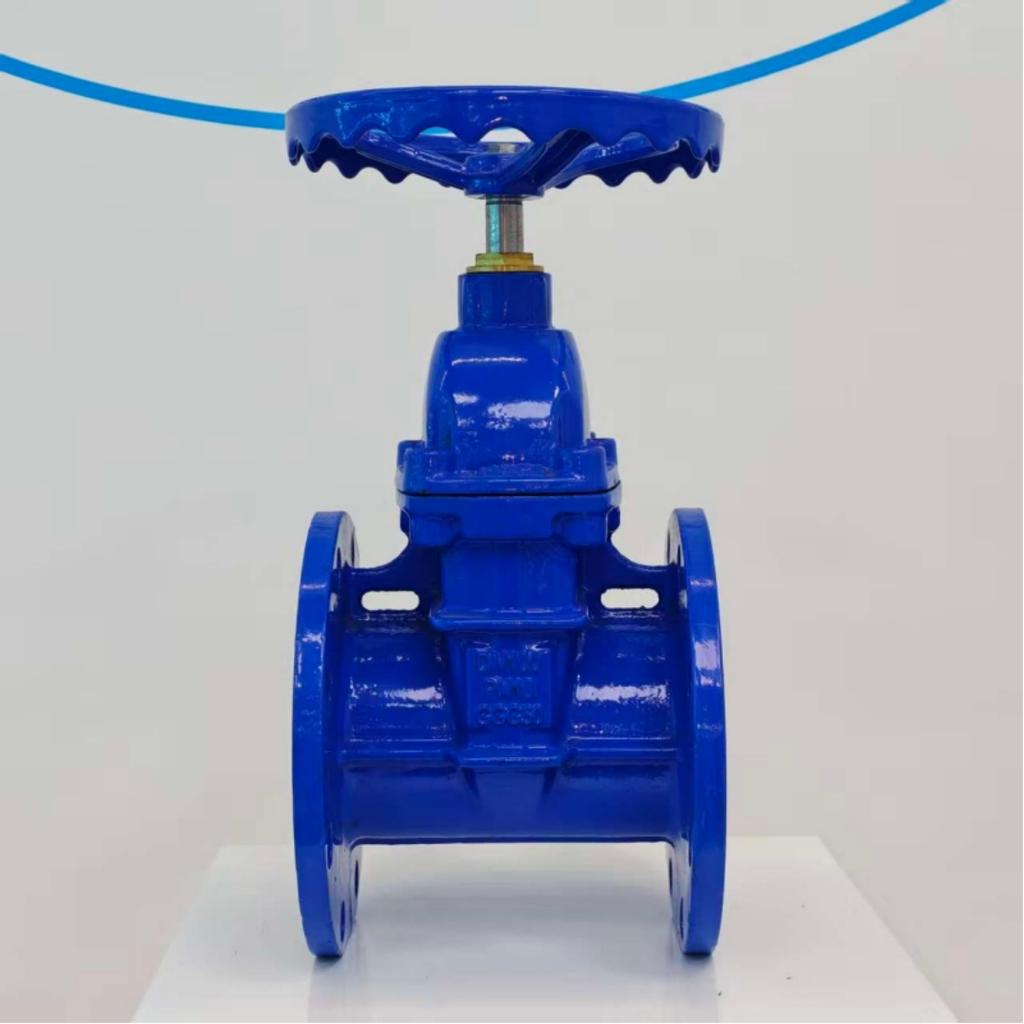
In actual use, the characteristics of the two types of valves are significantly different. The gate valve only supports two states: fully open and fully closed. The flow can not be adjusted. There is no restriction on the installation direction of the inlet and outlet. It is applicable to the straight-through, low-resistance and long-term pipeline. The globe valve can realize small range closure and flow control, with fixed inlet and outlet directions. It is prohibited to install reversely and is suitable for frequent opening and closing.
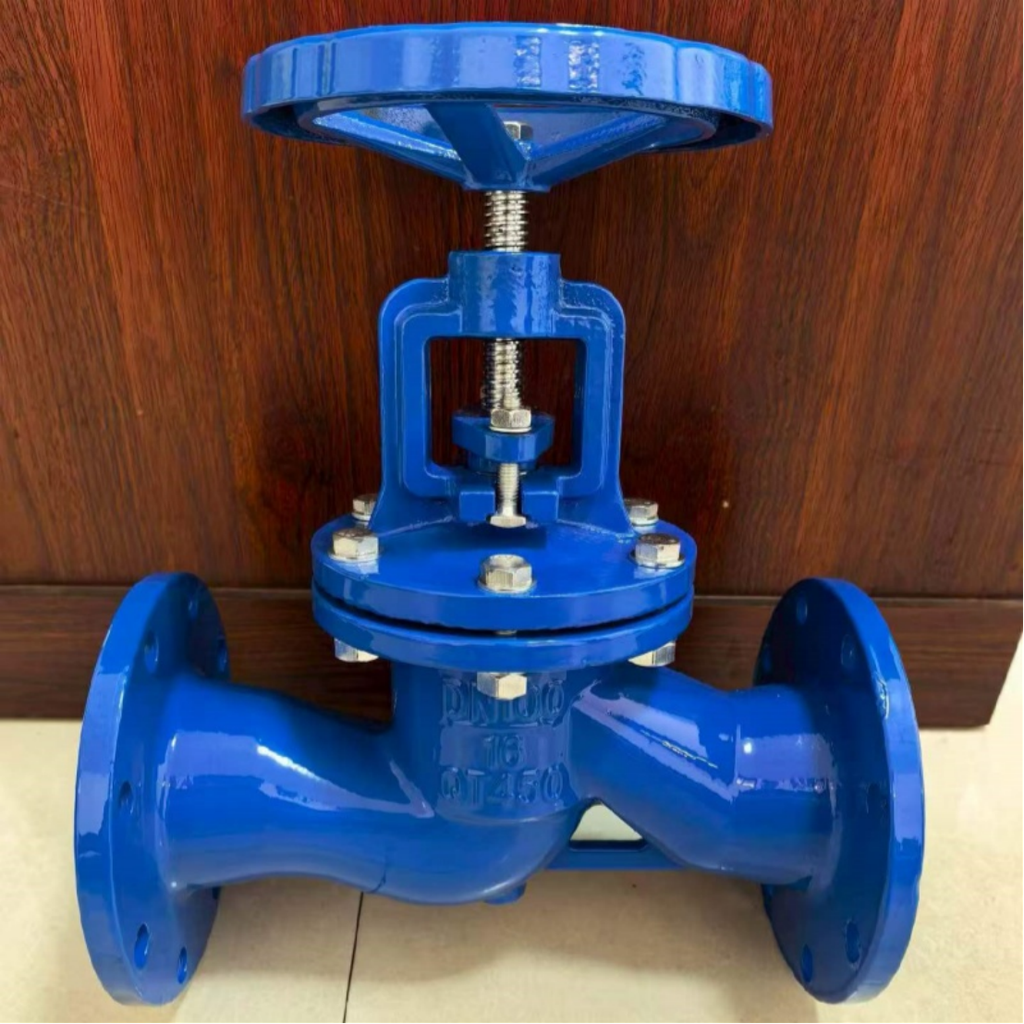
The principle and application differences between gate valve and globe valve are clearly distinguished, which can effectively avoid installation errors, mismatching of working conditions and other problems, ensure the stable operation of the pipeline system, and reduce equipment failures and operation and maintenance costs.