
Parallel Double-Disc Gate Valve : The two sealing faces of the gate are parallel to each other; this type is subdivided into two categories:
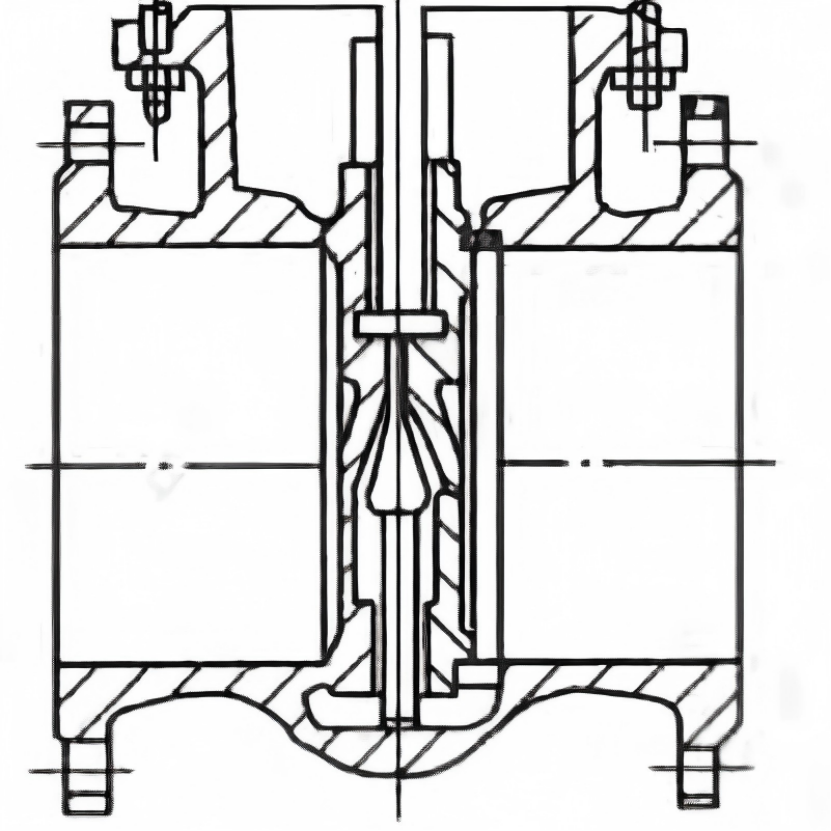
the *self-sealing type* and the *spreading type*. The self-sealing parallel double-gate valve relies on the pressure of the medium to push the gate against the sealing face of the outlet-side valve seat, thereby achieving single-sided sealing. However, when the medium pressure is low, effective sealing is difficult to guarantee; consequently, a spring is often placed between the two gate plates. During valve closure, this spring is compressed, and sealing is achieved through the force exerted by the spring. Since the spring presses the gate tightly against the valve seat, the sealing faces are prone to scratching and wear. Consequently, this type of gate valve is rarely used today. The *spreading type* utilizes a spreading mechanism to force the gate plates outward, pressing them firmly against the sealing faces of the valve seats to achieve a positive, forced seal.
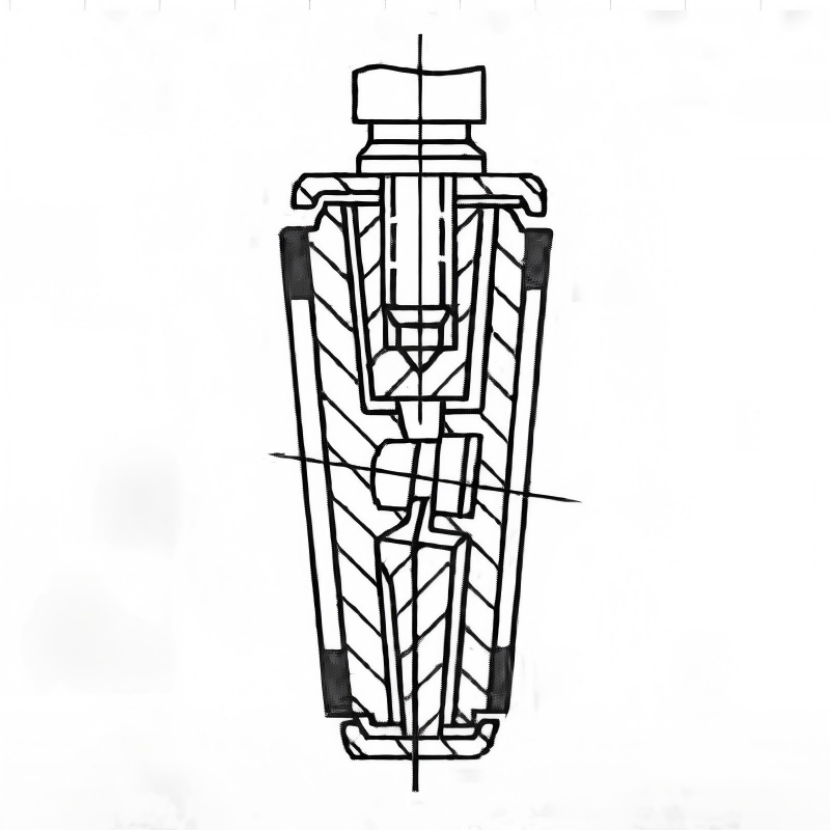
Wedge-type Double-Disc Gate Valve: Composed of two circular discs hinged together via a spherical thrust piece to form a wedge-shaped gate assembly. The wedge angle of the disc sealing surfaces automatically adjusts through the action of the thrust piece. Consequently, the valve is less prone to jamming under temperature fluctuations and minimizes the risk of surface abrasion. Its disadvantages include a complex structure with a high number of components, a susceptibility to disc detachment, and unsuitability for use with viscous media; it is typically employed for water and steam applications.