1. What Is a Centerline Soft-Seated Butterfly Valve?
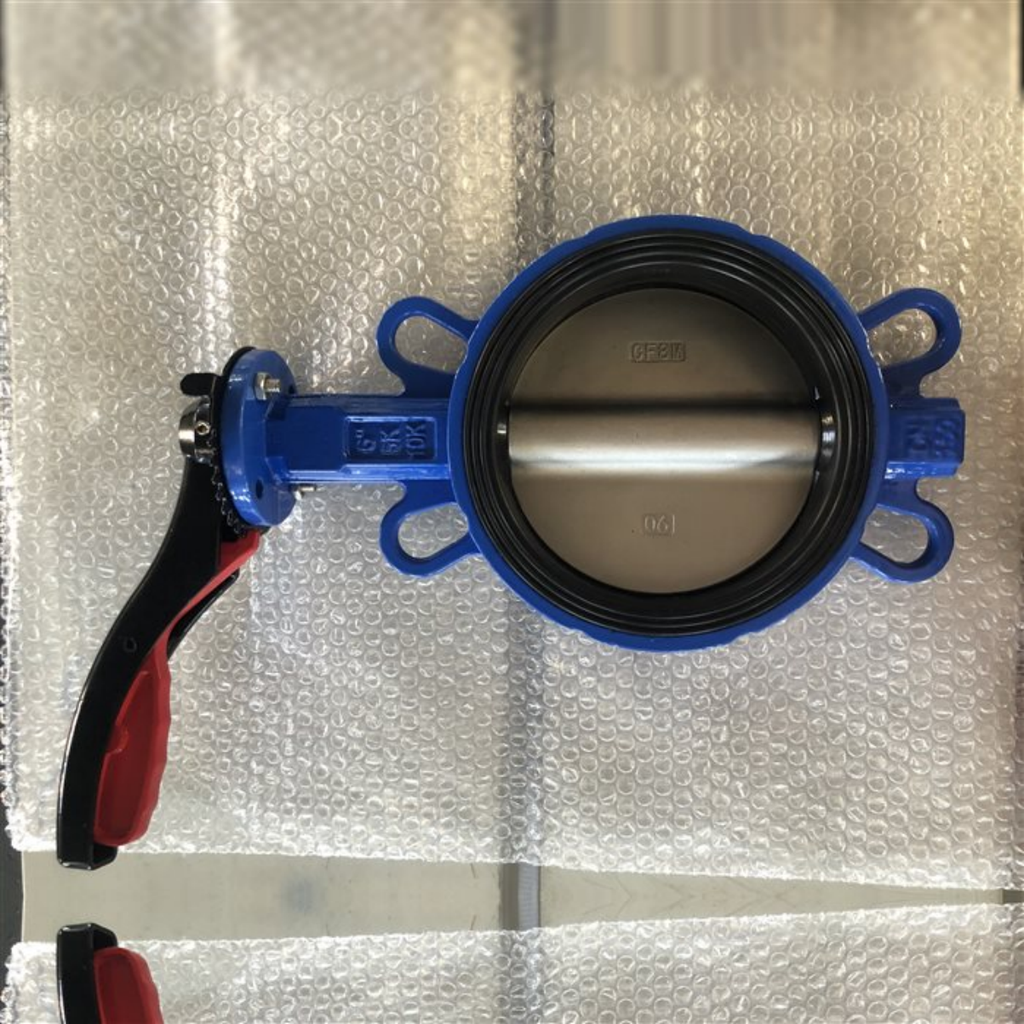
The centerline butterfly valve is also known as the concentric butterfly valve. The valve stem is positioned along the centerline of the valve body and disc.
During operation, the disc is rotated approximately 90 degrees around the stem axis. When the valve is fully open, the disc position is approximately parallel to the flow direction, allowing medium to pass through the pipe. When the valve is closed, the disc is pressed against the resilient seat to provide closure.
Seats are usually made of elastomer or other non-metallic materials. Common seat materials include EPDM, Buna N, PTFE, and Viton.
2. Type of Butterfly Valve by Connector
Wafer Butterfly Valve
One wafer butterfly valve is installed between two pipe flanges and fixed with bolts.
With compact structure, light weight and relatively small installation space, it is widely used in water supply, HVAC and industrial piping systems.
One consideration is that it is often necessary to close the piping and depressurize it before removing the valve for repair.
Flange Butterfly Valve
Flange butterfly valves have integral flanges on both sides of the valve body and are directly bolted to the corresponding pipe flanges.
Flanged butterfly valves offer robust flanged connections compared to wafer valves and are typically used in large diameter piping and applications where stronger connections are required.
Lug Butterfly Valves
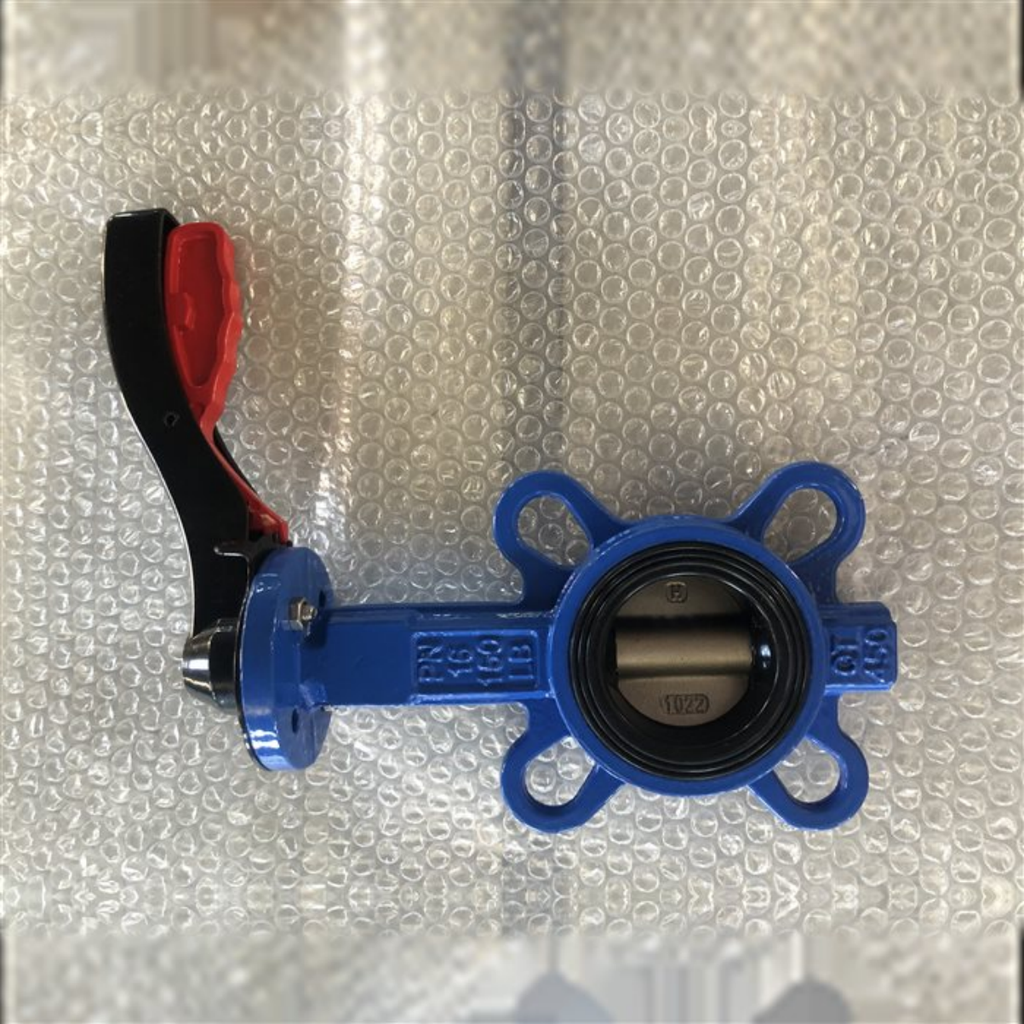
Lug butterfly valves have lugs around the body to allow the valve to be individually bolted to the pipe flange.
This design provides greater flexibility during installation and maintenance. Depending on the piping configuration, the lug butterfly valve can also facilitate maintenance operations on some side of the piping that requires isolation.
3. Material of Butterfly Valve Seat
Seat material is an important factor when selecting a soft-seated butterfly valve because it affects temperature resistance, chemical compatibility, and service life.
4. Type of Actuated Butterfly Valve
Manual Butterfly Valve
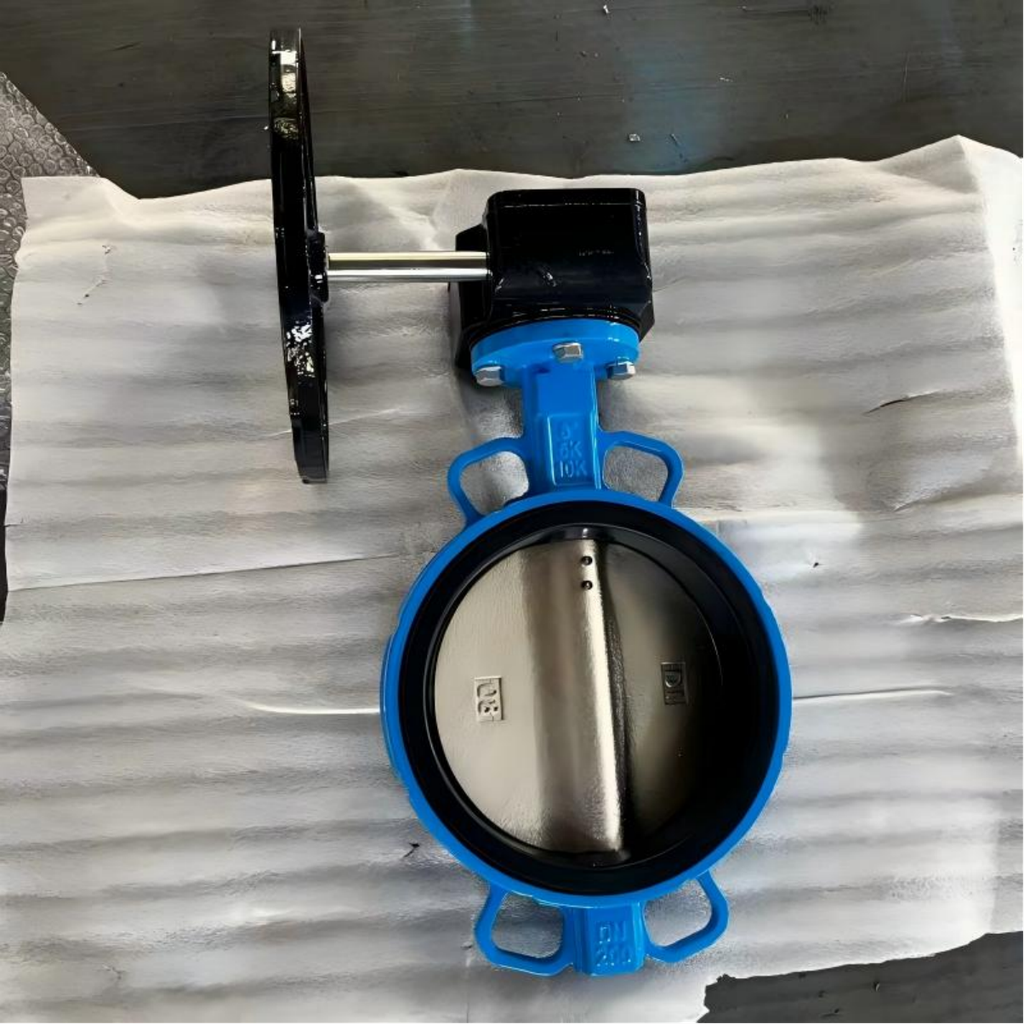
Manual butterfly valves are operated by lever handles or gear operators.
Lever operated valves are typically used for smaller sizes, whereas gear operated butterfly valves are typically used for larger sizes where the operating torque is higher.
Electric Butterfly Valve
Electric butterfly valve adopts electric actuator remote control switch valve.
Depending on the actuator configuration, it can also be used for certain modulation control applications.
Electric butterfly valve is applicable to automatic process system, remote operation and centralized control system.
Pneumatic Butterfly Valve
Pneumatic butterfly valves operate with compressed air.
Pneumatic actuators provide fast operation, typically used in industrial automation, chemical processing, and applications requiring fast valve operation.
5. How to Select a Soft-Seated Butterfly Valve?
Nominal Diameter
Common sizes include nominal bore, nominal bore, nominal bore, nominal bore 500 and larger.
The valve size shall match the piping specification and the required flow conditions.
Pressure Rating
Common pressure ratings include PN10 and PN16.
The pressure class selected shall apply to the maximum working pressure of the piping system.
Operating Medium
Identify actual media such as water, sewage, air, petroleum, chemicals, or other special media.
The medium directly affects the choice of body and seat materials.
Body Material
Common body materials include cast iron, ductile iron, carbon steel, and stainless steel.
Different materials are suitable for different pressure, medium, temperature and working environment.
Connection Type
Piping design determines whether wafer, lug, or flanged butterfly valves are used.
6. Conclusion
The centerline soft-seat butterfly valve is one of the most commonly used butterfly valve designs. It has the advantages of compact structure, convenient installation, reliable sealing performance and wide application.
When selecting butterfly valves, the Buyer and the Engineer shall consider the nominal diameter, pressure rating, service medium, temperature, seat material, body material, connection type, and method of actuation, not just size or price.
Whether you’re looking for wafer, lug, or flange butterfly valves, providing the valve manufacturer with the complete operating conditions and piping specifications will help ensure the correct valve design and material selection for your application.