
In hydraulic control valves, diaphragm valves and other products, diaphragm is the core component to realize pressure driving and end face sealing, and the material performance directly determines the reliability of valve operation. EPDM (ethylene propylene diene monomer rubber) is the mainstream material of the valve diaphragm currently. Its molecular structure endows the material with excellent elasticity and deformation recovery capacity. In the reciprocating motion of frequent opening and closing of the valve, it can always keep the valve cavity and valve clack close to each other and realize zero leakage sealing.
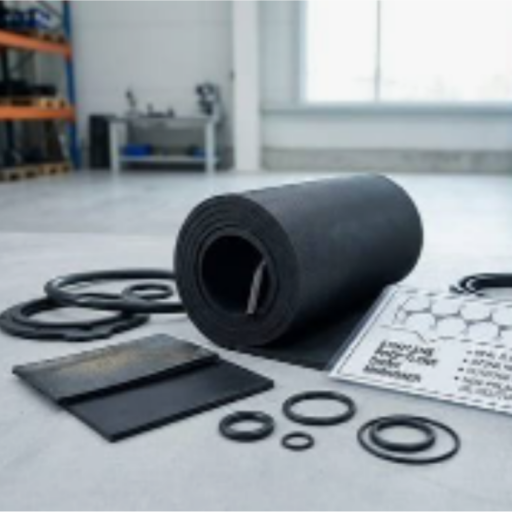
For the common water environment conditions of valves, EPDM has strong hydrolysis resistance and aging resistance, and is not easy to degrade, harden or crack after long-time immersion in clean water, municipal reclaimed water and weak corrosive medium, with slow material performance attenuation. At the same time, the material has strong adaptability to temperature change, and can work stably in the conventional water supply temperature range and outdoor outdoor environment, without sealing failure due to environmental fluctuation.
With outstanding fatigue resistance, EPDM diaphragm can bear tens of thousands of cycles of deformation without damage and permanent deformation, which can effectively extend the failure-free operation period of the valve and reduce the frequency of operation, maintenance and replacement. In addition, the material has good molding processability, can accurately match the size requirements of different specifications of the valve cavity, the mass production consistency is high, combined with the service life and procurement cost, the comprehensive cost performance ratio is outstanding, widely adapted to various hydraulic control valve diaphragm requirements.