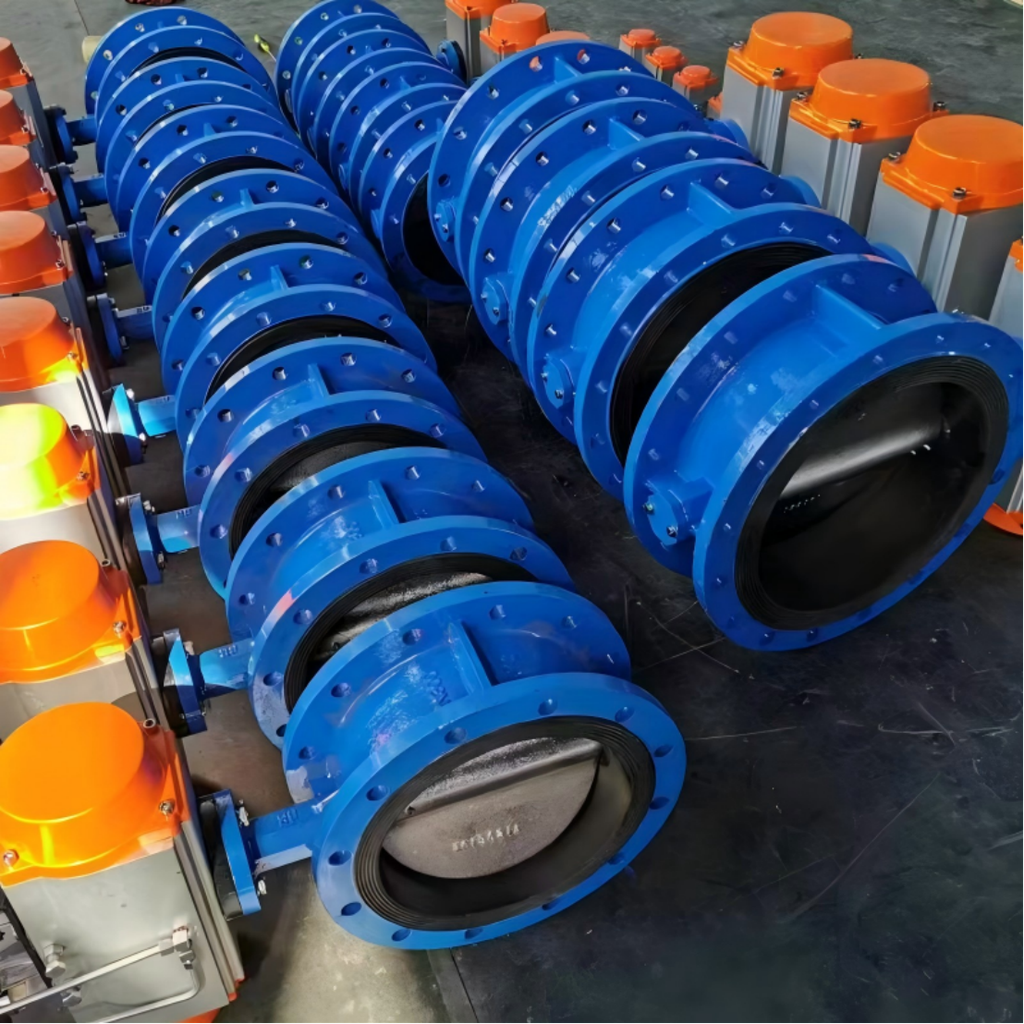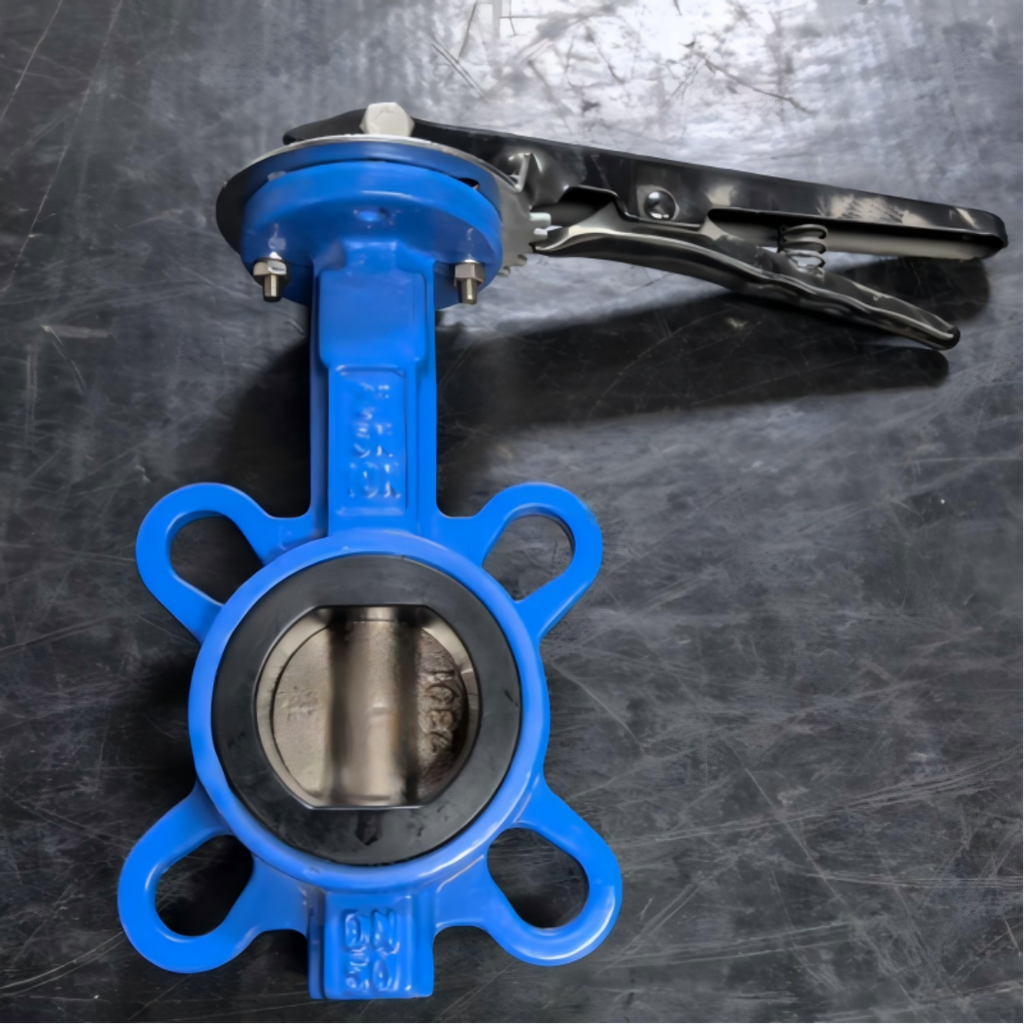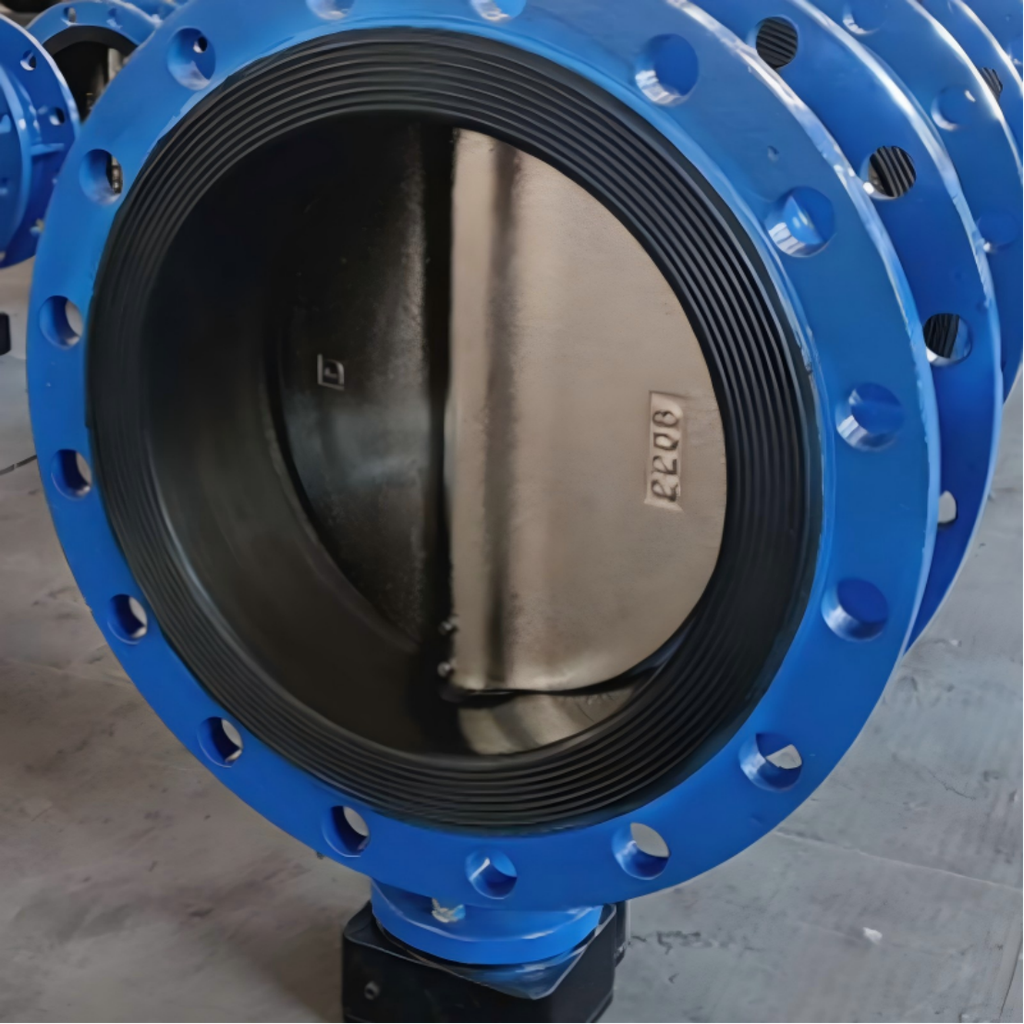
Butterfly valve is one of the most widely used fluid control equipment in industrial pipeline system, municipal water supply and drainage, heating, ventilation and fire fighting and other fields. The butterfly valve has become a mainstream supporting valve for various fluid networks due to its core advantages such as simple structure, small size, low cost, fast opening and closing, small flow resistance, etc.
Different structures, materials and driving modes of products adapt to different working conditions. Accurate selection, standard installation and scientific operation and maintenance are the key to ensure long-term stable operation of the pipeline system.
From the core structure, the material of each component of the butterfly valve directly determines the temperature, pressure and corrosion resistance of the valve. Common materials of valve body include nodular cast iron, cast steel WCB, stainless steel 304/316L and duplex steel 2205, which are suitable for different working conditions such as clean water, steam, corrosive medium and seawater; As the core through-flow opening and closing component, the butterfly plate is usually made of nodular iron hard chromium plated, stainless steel and aluminum bronze. Most of the valve stems are made of 2Cr13 and 316L stainless steel to eliminate corrosion and jamming. EPDM, NBR and PTFE soft seal can realize zero leakage, while metal hard seal is suitable for high-temperature and high-pressure environment with particulate medium.
From the connection and drive form, the butterfly valve can accurately match different installation scenarios. The connection modes include wafer type, lug type, flange type and welding type, wherein the wafer type is small in size and low in cost, and is suitable for conventional low pressure pipeline with small and medium-sized caliber; The flange structure is stable and has strong bearing capacity, which is applicable to large-diameter, high-pressure and frequently started and stopped industrial pipelines. Drive modes include manual worm wheel, pneumatic and electric. Manual butterfly valve is suitable for small-diameter and low-frequency operation; The pneumatic butterfly valve has fast opening and closing speed, good explosion-proof performance, and is suitable for chemical explosion-proof working conditions; The electric butterfly valve can be connected to the DCS remote control system to realize automatic opening and closing and flow regulation.
In daily maintenance, it is necessary to avoid the taboo of butterfly valve core use. Long-term semi-open state will cause continuous scouring of butterfly plate and sealing surface by medium and internal leakage caused by rapid wear and aging. Regularly open and close the valve that has been left standing for a long time to prevent the valve stem from being corroded and jammed; For outdoor equipment, the actuator with protection grade of IP65 and above shall be selected, and rain-proof and moisture-proof measures shall be taken. For common faults, internal leakage is mostly caused by aging of sealing parts, blockage of impurities, improper limit and deformation of butterfly plate, and external leakage is mostly caused by aging and failure of packing. It can be quickly solved by replacing accessories and adjusting installation accuracy.
With the accelerating construction of industrial automation and intelligent pipe network, the market demand for intelligent, corrosion-resistant and high-pressure heat-resistant butterfly valves continues to rise.