
Relief valves and pressure reducing valves look very similar in appearance and have similar names, both sounding like they are dealing with pipeline pressure. However, their functions are completely different. If they are confused, it could lead to serious mistakes.
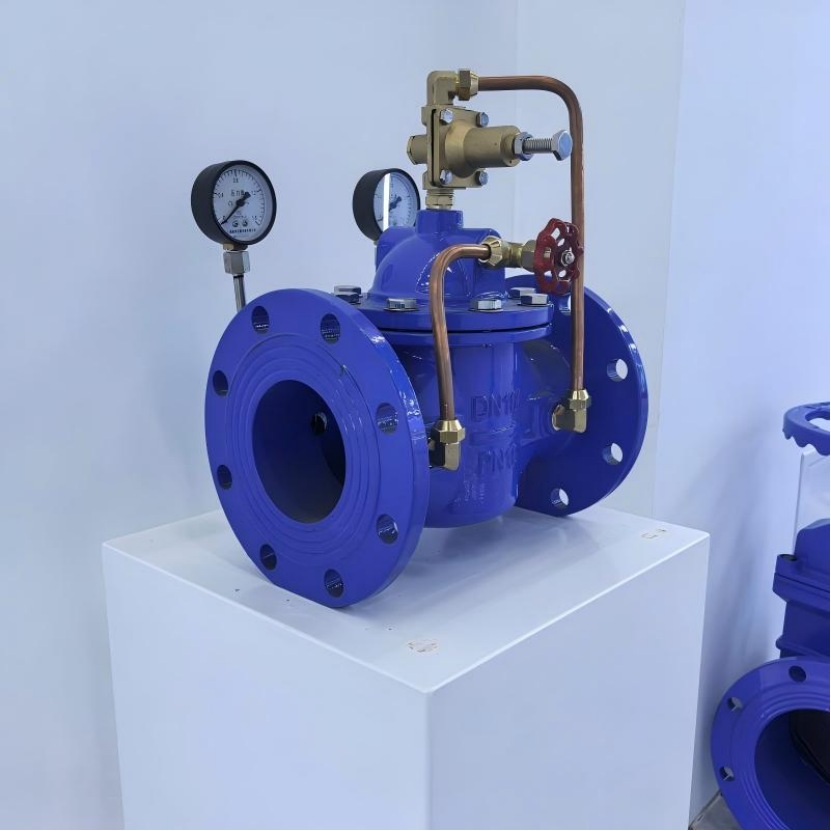
A pressure reducing valve is responsible for converting high pressure to low pressure. If the water pressure in a pipeline is 10Mpa but the downstream equipment can only withstand 0.4Mpa, a pressure reducing valve needs to be installed. After the water flows through the pressure reducing valve, the pressure will be stably controlled at the set value. The pressure reducing valve controls the downstream pressure. No matter how the upstream pressure fluctuates, as long as it is within the working range, it will try to stabilize the downstream pressure.
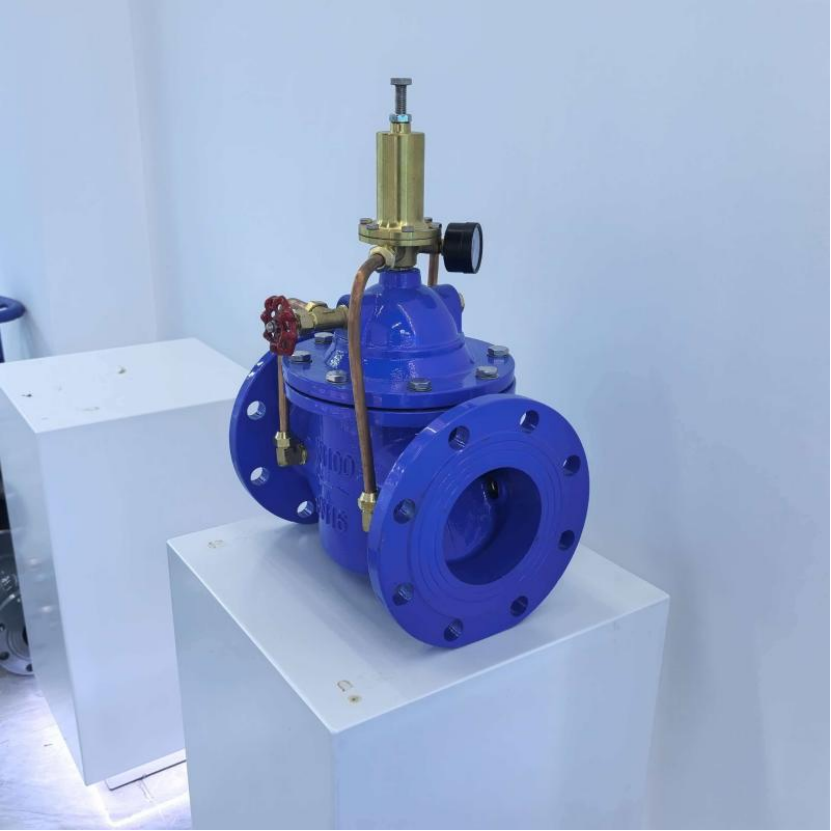
A relief valve is often regarded as another type of safety valve. The biggest difference between it and a pressure reducing valve is that it hardly works under normal circumstances. It only opens suddenly when the pipeline pressure exceeds the safety limit, releasing the excessive pressure. For example, in boilers, pressure vessels, and gas storage tanks, if the pressure keeps rising and exceeds the set value, the relief valve will automatically open to discharge the medium, and once part of the pressure drops, it will automatically close. Therefore, a relief valve is more like a safety insurance in the system. It is not used to regulate pressure but to prevent equipment from exploding or being damaged.