
The surface quality of the interior cavity of stainless steel valves critically determines their corrosion resistance, sealing reliability, and flow efficiency. Today, we will explore the crucial manufacturing process of grinding and finishing the inner cavity of stainless steel valves.
Why is the internal surface grinding so crucial?
Stainless steel valves are widely used in fields such as chemical engineering, pharmaceuticals, food, ships, and energy, often encountering corrosive media, high-temperature and low-temperature fluctuations, or high cleanliness requirements. A rough internal surface will lead to shell perforation, poor sealing, internal leakage, and affect system accuracy, thereby posing a risk of product contamination in the safe food and pharmaceutical industries.
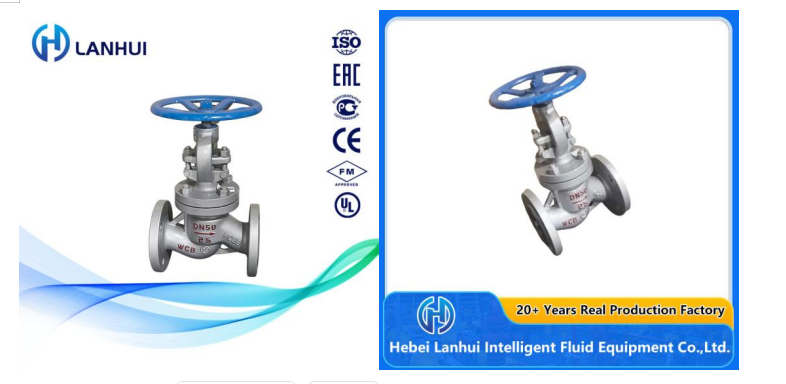
For example, in pipelines transporting corrosive chemicals, the micro pits and cracks present in stainless steel globe valves are prone to residual media, becoming the source of valve corrosion and ultimately leading to shell perforation.If a globe valve with a smooth inner cavity is used, the service life of the valve will be significantly extended.
How do we polish the inner cavity of the stainless steel valve?
Firstly, we use fiber grinding wheels or hard alloy tools to remove the oxide layer and obvious defects on the original surface. Then, workers use special drill bits for fine polishing, ultimately achieving the desired smoothness.
Narrow space handling: The valve cavity structure is complex and the flow channel is narrow. This requires the use of special grinding heads, flexible shaft tools, and endoscopes to assist in inspection, ensuring that every corner, especially key areas such as valve seat slots and valve stem channels, receive consistent treatment.
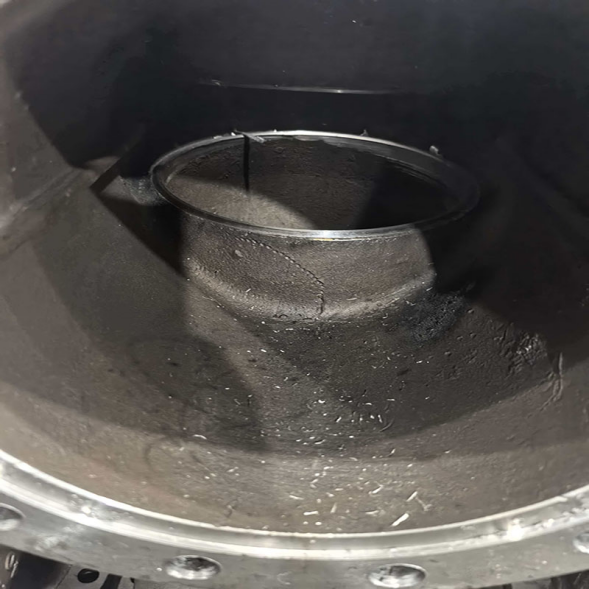
Internal cavity diagram before polishing
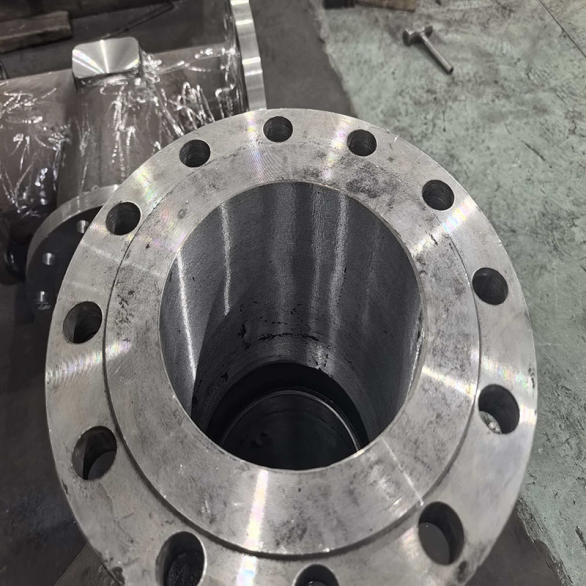
Internal cavity diagram after polishing
Conclusion
A superior stainless steel valve is the culmination of material science, precision machining, and quality control. The smoothness and cleanliness of its internal cavity safeguard the entire piping system’s safety, efficiency, and durability. When selecting a valve, choosing a supplier committed to meticulous craftsmanship even in the “unseen places” is ultimately a choice for greater long-term reliability and value.